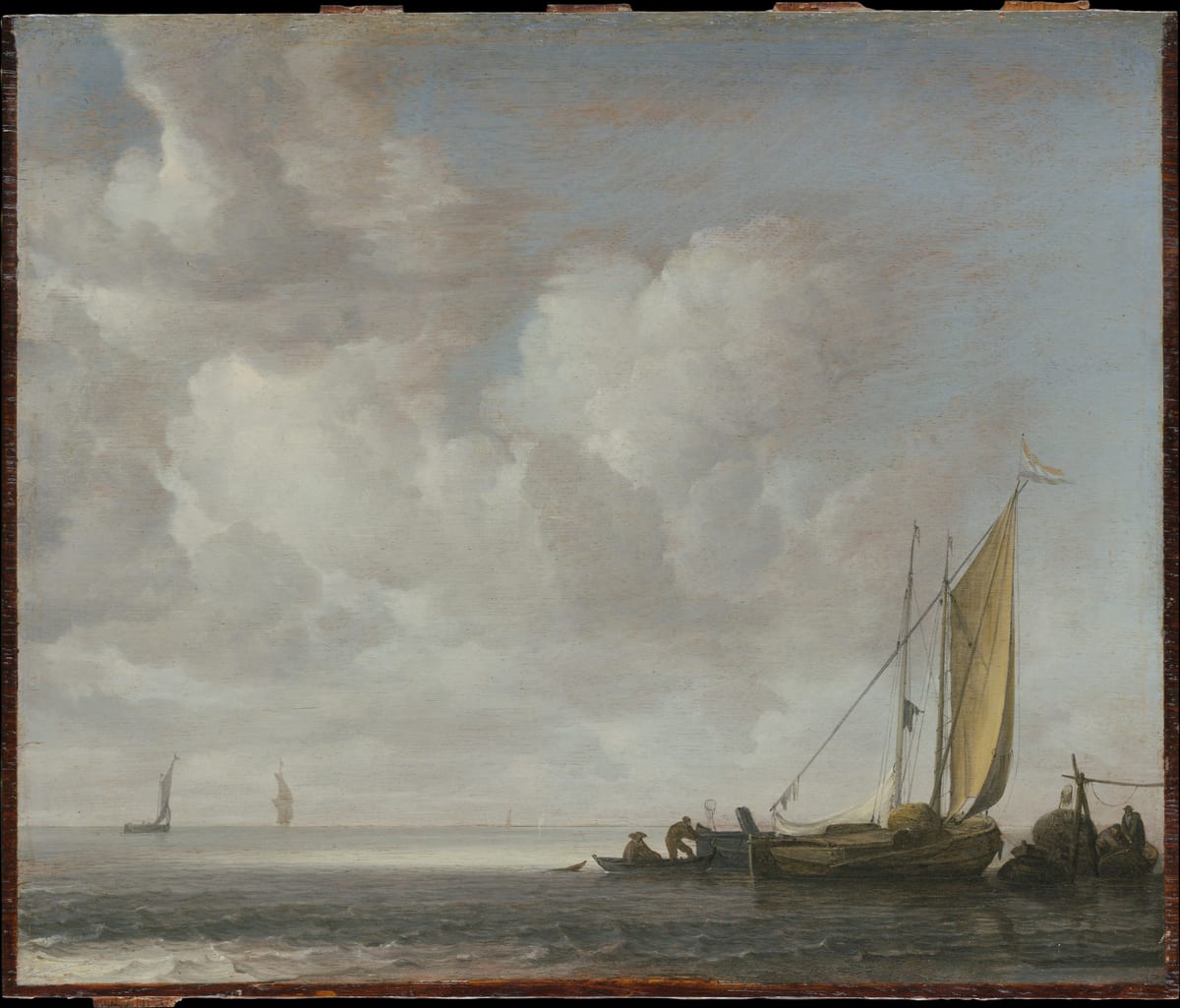
What’s the origin of the phrase ‘Sailing close to the wind’?
The expression ‘close to the wind’ has been known in sailing circles for centuries.
It is first recorded in Captain John Smith’s training manual for sailors, A Sea Grammar 1627. This piece, in the language of the English Stuart court, explains the ins and outs of sailing close to the wind:
If you would saile against the wind or keepe your owne, that is, not to fall to lee-ward or goe backe againe, by halling off close your Bolings, you set your sailes so sharp as you can to lie close by a wind, thwarting it a league or two, or more or lesse, as you see cause, first on the one board then on the other; this we call boarding or beating it up upon a tacke in the winds eye, or bolting to and againe; but the longer your boards are, the more you worke or gather into the wind. If a sudden flaw of wind should surprise you, when you would lower a yard so fast as you can, they call A maine; but a crosse saile cannot come neerer the wind than six points.
See other Nautical Phrases.